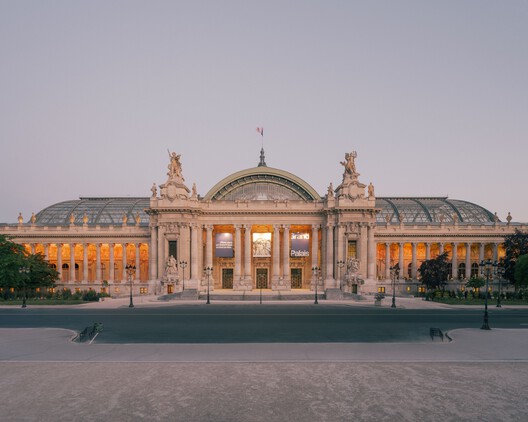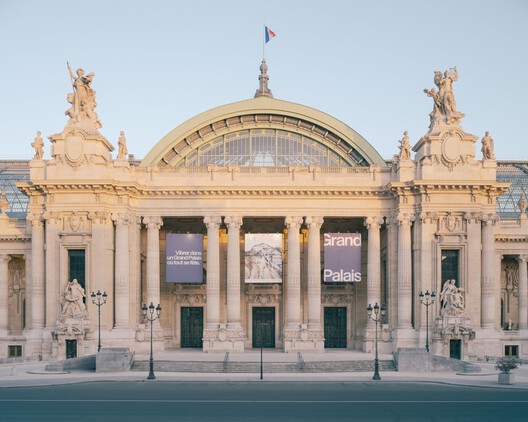
由夏蒂永建筑师事务所(Chatillon Architectes)改造,这项重大修复工程自2021 年开始,一期项目计划于今年夏天向公众开放,整体工程预计于 2025 年完成。虽然最初是作为一座临时美术宫而构想,但大皇宫已成为巴黎最永恒的标志性建筑之一。巴黎大皇宫由法兰西共和国为 1900 年世界博览会而建,坐落在城市的心脏地带,是艺术卓越的象征。一个多世纪以来,这座建筑已成为法国文化场景的国际展示窗口,举办过世界上最大型的展览和活动。在历史长河中,巴黎大皇宫曾面临着被拆除和遗忘的命运。随着时间的推移,该建筑的某些区域已对公众关闭,导致活动可参与性受限和游客迷失方向。
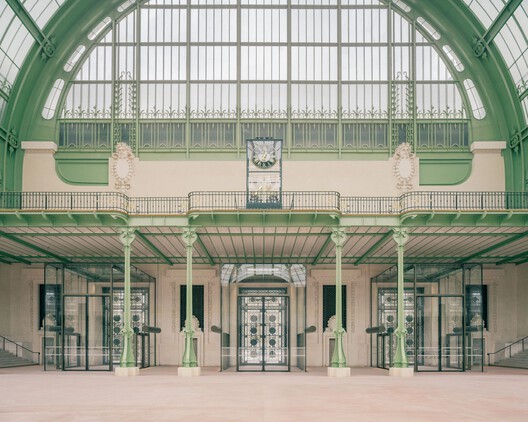

以巧妙改造现有建筑而闻名的夏蒂永建筑师事务所(Chatillon Architectes)在处理这一项目时,将重点放在了提升公众可进入性、改善自然采光以及重新将大皇宫与其城市环境相连上。“重新开发一个标志性建筑的机会令人兴奋,但大皇宫的意义远不止于此”,Chatillon Architectes 的创始人 François Chatillon 说道。“这是一个让建筑重新回归公众视野、重新开发周边场地、让建筑与城市重新相连、并为其适应奥运会和未来世代做好准备的机会——这是一个千载难逢的项目。” 为了这次建筑历史上的首次重大改造,建筑师们参考了数千份档案计划和文件,以支持这一雄心勃勃的项目。此次修复旨在在建筑的多样化空间中创造一种全新的统一感和连贯性,其影响是巨大的。该项目不仅提高了公众的整体可进入性,还提高了其容量——改造后的巴黎大皇宫主厅能够容纳比原来多 60% 的宾客。

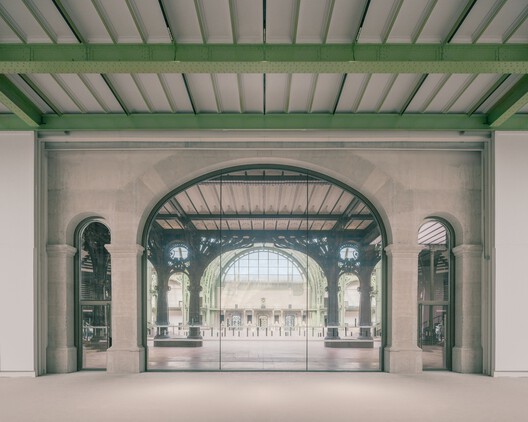
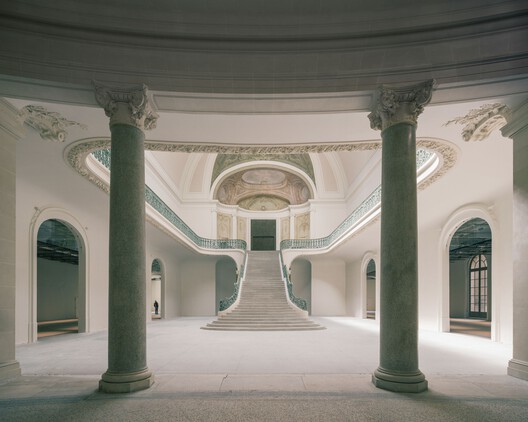
在三个主要区域之间重新建立的联系,改善的流线以及新增的游客服务,都将使游客能够更好地发现大皇宫的历史特色,具体的设计包括一条全新的免费内部步行路线,这条路线将安坦宫(Palais d'Antin)和中殿连接起来,人们通过这条路线可以从让·佩兰广场(Square Jean Perrin)穿过中央广场到达塞纳河。中殿周围美丽的阳台拥有自历史记载以来的最早悬臂结构,这些阳台在加固和修复后也成为了游客旅程的一部分,其为游客提供了横跨整个宏伟建筑的全新视角。夏蒂永建筑师事务所以前所未有的方式创造了公共通道,拆除了随着时间的推移而增设的临时墙壁和隔断,其最关键的设计策略是恢复了建筑的原始中轴线,将主中殿与探索宫(Palais de la Découverte)重新连接起来,恢复了自1939年以来就未曾见过的圆顶视图。此次修复不仅改善了建筑内部的流线,还使大皇宫重新与历史城市景观相连,与埃菲尔铁塔、香榭丽舍大街和小皇宫等周边地标建立了全新的联系。


围绕大皇宫的新公共花园从附近的香榭丽舍花园中汲取灵感,拥有与其相似的元素,花园中设有弯曲的花坛和小径、草坪以及多样化的植物选择。在丘吉尔大道(Boulevard Churchill)旁,种植了一排常绿灌木,旁边是各种各样的绿色植物、玫瑰、多年生植物和球茎植物——共计植物 250 种,超过 6 万株。新种植的草坪将由建筑屋顶收集的雨水灌溉,许多新植物都是从巴黎盆地的野生植物中挑选出来的,以支持授粉和当地生物多样性。大皇宫的修复工程符合可持续发展战略,设计团队通过将现代技术解决方案和管理实践融入了这一具有文化意义的地方。夏蒂永建筑师事务所对大皇宫的遗产有着深刻的理解,引领着它进入了一个新时代。
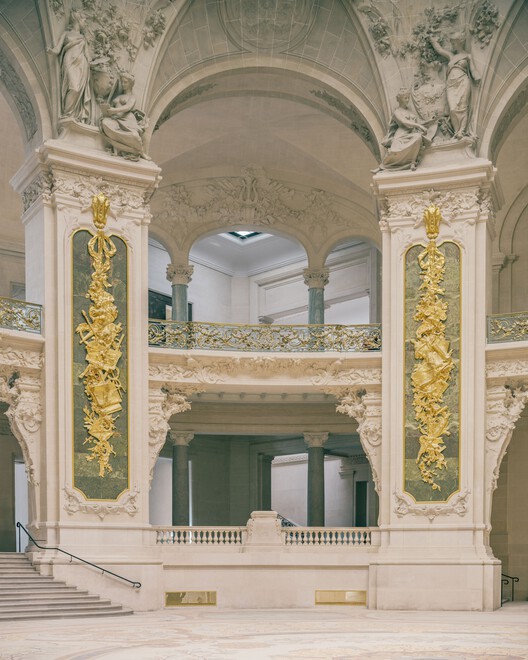
The introduction of newfound connections between the three main areas, coupled with improved circulation and new visitor services, will allow guests to rediscover the Grand Palais's historical features, joining a free new interior walk from Square Jean Perrin to the Seine via the central square, linking the Palais d'Antin and the Nave. The Nef's beautiful surrounding balconies, featuring some of the earliest recorded cantilevers, have also been reinforced and restored, allowing them to become part of the visitor journey once again, offering fresh and new perspectives across the grand structure.
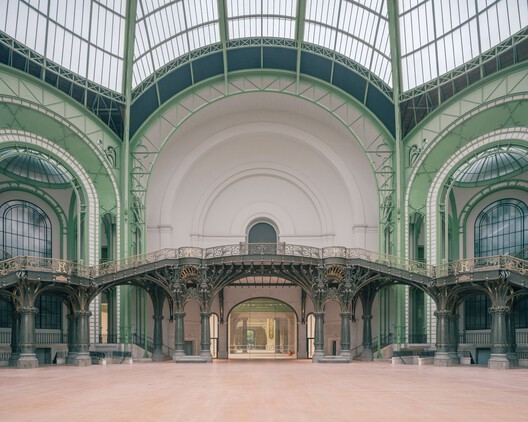
Creating public access like never before, Chatillon has removed ad-hoc walls and separations that had been installed over time, most notably reinstating the building's original central axis, reconnecting the main nave with Palais de la Découverte, restoring a view from the Rotunda that has not been seen since 1939. The restoration not only facilitates a seamless flow within the building but also reconnects the Grand Palais to the historical cityscape, creating a renewed connection with neighboring landmarks such as the Champs-Elysées and the Petit Palais.

The new public Grand Palais gardens that surround the structure draw inspiration from the nearby Champs-Élysées gardens, sharing a similar spirit with curved beds and paths, lawns, and a diverse selection of planting. A wall of evergreen shrubs has been placed along Boulevard Churchill, alongside a wide variety of greenery, roses, perennials, and bulbs, 250 species in total, with over 60,000 plants. Newly-planted lawns will be irrigated by rainwater collected from the building's roofs, and many of the new plants have been selected from the wild palette of the Paris basin to support pollination and local biodiversity.
The Grand Palais restoration aligns with a robust sustainable development strategy, integrating modern technical solutions and management practices into the culturally significant site. With a profound understanding of the Grand Palais's legacy, Chatillon Architectes has ushered it into a new era, safeguarding the relevance of this timeless monument and ensuring it continues to be a nexus for creativity, innovation, and grandeur.